07966 448050
Request a Free Consultation
Rack Training and inspections

Cantilever Racking Inspection Training

Learn More About Our Racking Inspection Training Services

Cantilever Racking Inspection Training

Cantilever Racking Inspection Training is a specialized course designed to equip in-house personnel with the specific knowledge and skills required to perform regular, routine visual inspections of cantilever storage systems.

Cantilever racking requires specific inspection criteria due to its unique structure, which handles long, heavy, or irregularly shaped loads. A dedicated Cantilever Inspection Course
This training helps companies comply with health and safety regulations and minimize the risk of structural failure. 

The course is often aligned with the SEMA guidelines, particularly the SEMA Cantilever Rack Safety AwarenessCourse.
man
Legislation and Responsibilities

Legal Duties: 
Review of relevant regulations and employer/employee responsibilities.

The PRRS Role: 
Defining the role and legal obligations of the Person Responsible for Racking Safety. 

Inspection Frequency: 
Understanding the need for daily/weekly/monthly internal visual checks and the requirement for an annual expert inspection by a qualified professional
Cantilever Racking
Cantilever Racking Specifics

System Components: 
Detailed identification and function of key cantilever components: Base, Column (Upright), Horizontal and Diagonal Bracing, and Arms. Understanding the role of arm stops and pins.

 Loading Principles:
 Principles of uniformly distributed loads (UDL) and ensuring correct load placement on the arms.
 
Structural Integrity: 
Checking for correct clearances, plumb, and level tolerances unique to cantilever systems.
man-with-helmet-working-logistic_23-2148886810(1)
Damage Assessment & Classification

Cantilever-Specific Damage: 
Learning to spot critical damage indicators, including: 

Arm Deflection: 
Checking if the arm has sagged or bent below the horizontal line when unloaded. 

Column Deflection:
 Measuring the vertical straightness of the main columns.

 Base Damage:
 Checking for impacts, loose anchor bolts, and floor plate integrity. 

Bracing/Connection Issues: 
Checking for missing or loose horizontal or diagonal bracing elements.
Contact Us for More Information
Protect Your People and Your Assets. 
Empower your team to conduct competent internal rack inspections
 and comply with HSE/SEMA guidelines.
 Training  On-Site at Your Facility
 ✅ Certification Included | ✅ SEMA-Aligned Content | ✅ Immediate Risk Reduction
 Ready to Train Your Person Responsible for Racking Safety (PRRS)?

 [LARGE BUTTON: Get a Quote for On-Site Training] 
[Smaller Link: View Course Dates and Locations]


Why Choose Racking Inspections & Inspection Training Services?

Industry-Leading Expertise:
Our team’s specialized knowledge ensures top-tier service delivery for compliance and safety.
Customized Solutions: 
We tailor our services to meet your specific business needs and operational requirements.
Comprehensive Support: 
From inspections to training, we provide ongoing assistance and resources for continuous improvement.

Racking Inspection  Training Services

All training courses are delivered at your premises .
An R.T.I certificate will be issued upon successful completion of all of the below courses and will be valid for a three year period

training
The End User Guide to Pallet Racking Inspections

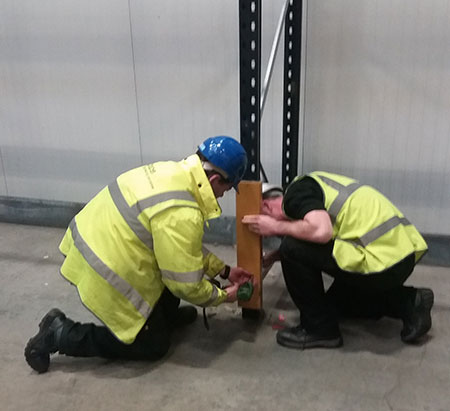
This course is designed to make your Person Responsible for Rack Safety (PRRS) competent to enable them to assess damage of all components within the racking structure and how each component works in making it safe during operations.
inspect
Pallet Racking Maintenance Course

This course is designed to give your maintenance team the knowledge through both classroom and a practical demonstration of how to undertake minor repairs and maintenance of your storage system.
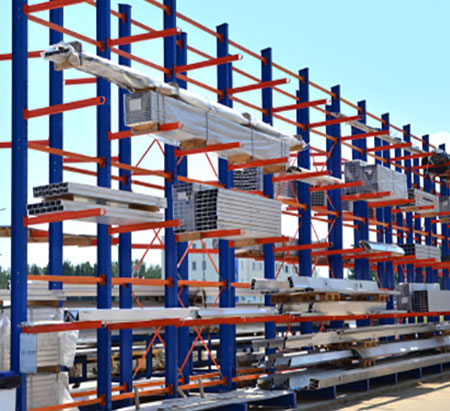
Cantilever Racking
Cantilever Racking Inspection Course

This training course is designed to highlight the key area the end user should assess on a regular basis in order to maintain cantilever equipment in a safe working condition.
Contact Us for More Information


text


Cantilever Racking Inspection Training
Overview: Cantilever racking systems are essential for storing long, bulky items such as lumber, pipes, and furniture. Regular inspection and maintenance are crucial to ensure safety and efficiency in the warehouse environment. This training module covers the fundamentals of cantilever racking inspection, enabling personnel to identify potential hazards and ensure compliance with safety standards.
Training Objectives:
Understand the components and design of cantilever racking systems.
Identify common types of damages and defects in racking.
Learn proper inspection techniques and frequency.
Recognize safety standards and regulations related to racking systems.
Develop a checklist for routine inspections.
Module Breakdown:
Introduction to Cantilever Racking: Definition and applications
Types of cantilever racks (single-sided vs. double-sided)
Key components: arms, uprights, bases, and braces
Safety Standards and Regulations: Overview of OSHA regulations
ANSI standards related to racking systems
Importance of compliance and risk management
Inspection Techniques: Visual inspection methods
Use of tools and equipment for inspection
Identification of wear and tear, rust, and structural damage
Common Defects to Look For: Bent or damaged arms
Loose or missing bolts and connections
Signs of corrosion or material fatigue
Foundation stability and alignment issues
Creating an Inspection Checklist: Essential items to include in the checklist
Frequency of inspections (daily, weekly, monthly)
Documentation and reporting procedure
Training and Certification: Importance of training staff on inspection techniques
Certification process for inspectors
Ongoing education and updates on best practices
Conclusion: Regular cantilever racking inspections are vital for maintaining warehouse safety and operational efficiency. By completing this training, personnel will be equipped to conduct thorough inspections, identify potential hazards, and ensure compliance with industry standards.